
Design Project
INTERIOR AS A BUSINESS TOOL
A design project is the complete set of decisions and documentation that takes an approved concept for a future space and moves it into construction. It records the layout, materials, lighting, furniture, equipment, structural details, and other decisions contractors need to actually build the space.
For a restaurant, hotel, spa, office, or any other commercial space, an interior design project is far more than a set of renderings. It lets you work out the architecture, building systems, finishes, and the coordination between different contractors before anyone breaks ground. In practice, the more decisions you lock in ahead of time, the fewer questions you're left answering on-site, where every change can already affect your budget and your timeline.
What a Design Project Is and Why You Need One
The concept answers the question of what the future space should be: it sets the character, the mood, the style, and the core functional logic. The design project translates those ideas into concrete decisions that builders, engineers, furniture manufacturers, and other contractors can actually work from. In that sense, interior design development becomes the link between the initial idea and its precise execution.
At this stage, it's not enough to pick materials, lighting, and furniture separately – they have to be worked out together. The location of the bar, for instance, drives the utility and electrical routing; the ceiling structure drives the lighting and ventilation; custom furniture drives the clearances and the functionality of a zone. The earlier these dependencies get worked out in the documentation, the fewer conflicts show up once construction starts.
For the client, this means more predictability. Before major work begins, you can nail down material quantities, complex details, the sequence of construction, and decisions that could turn out to be expensive. That makes it easier to plan the overall budget, compare contractor bids, and confirm that the finished interior actually matches the approved concept.
When You Need a Design Project
A full design project is needed once the concept-level decisions have to be detailed to a level that's actually buildable. Clients typically commission design project services:
before building out a restaurant, hotel, spa, office, or other venue;
during a renovation or a major remodel;
once the interior concept has been approved;
when multiple contractors are involved in the build;
when materials, furniture, lighting, and equipment need to be locked in ahead of time;
when complex design decisions need to be fully worked out before installation begins.

What's Included in a Design Project, and How the Work Proceeds
Design project work runs through several connected stages. Their order and scope vary depending on the type and complexity of the space.
We start with the room's dimensions, field measurements, the materials from the approved concept, and any existing technical information about the site. We check for constraints that need to be factored into the design work ahead, and we flag which decisions still need to be detailed.
1. Gathering and reviewing initial project information

2. Layout decisions
We define the spatial structure, the functional zones, furniture and equipment placement, circulation widths, and how rooms relate to one another. For a commercial space, these decisions affect capacity, staff and guest flow, how comfortable the space feels to move through, and how efficiently the square footage gets used. A well-thought-out layout also lets us plan ahead for where building systems and equipment will go.
3. Developing the interior details
Working from the approved concept, we define the core materials, furniture, equipment, and lighting approach. At this stage, we work out proportions, dimensions, textures, the character of the lighting, and how all the main elements interact, so the interior reads as one coherent design.

4. 3D visualization
A 3D visualization of the design project lets you see the future interior before technical detailing begins and evaluate its proportions, colors, textures, lighting, and how the main elements work together. This is the point where the visual direction gets signed off and any adjustments get made before moving into working drawings.
5. Technical detailing and working drawings
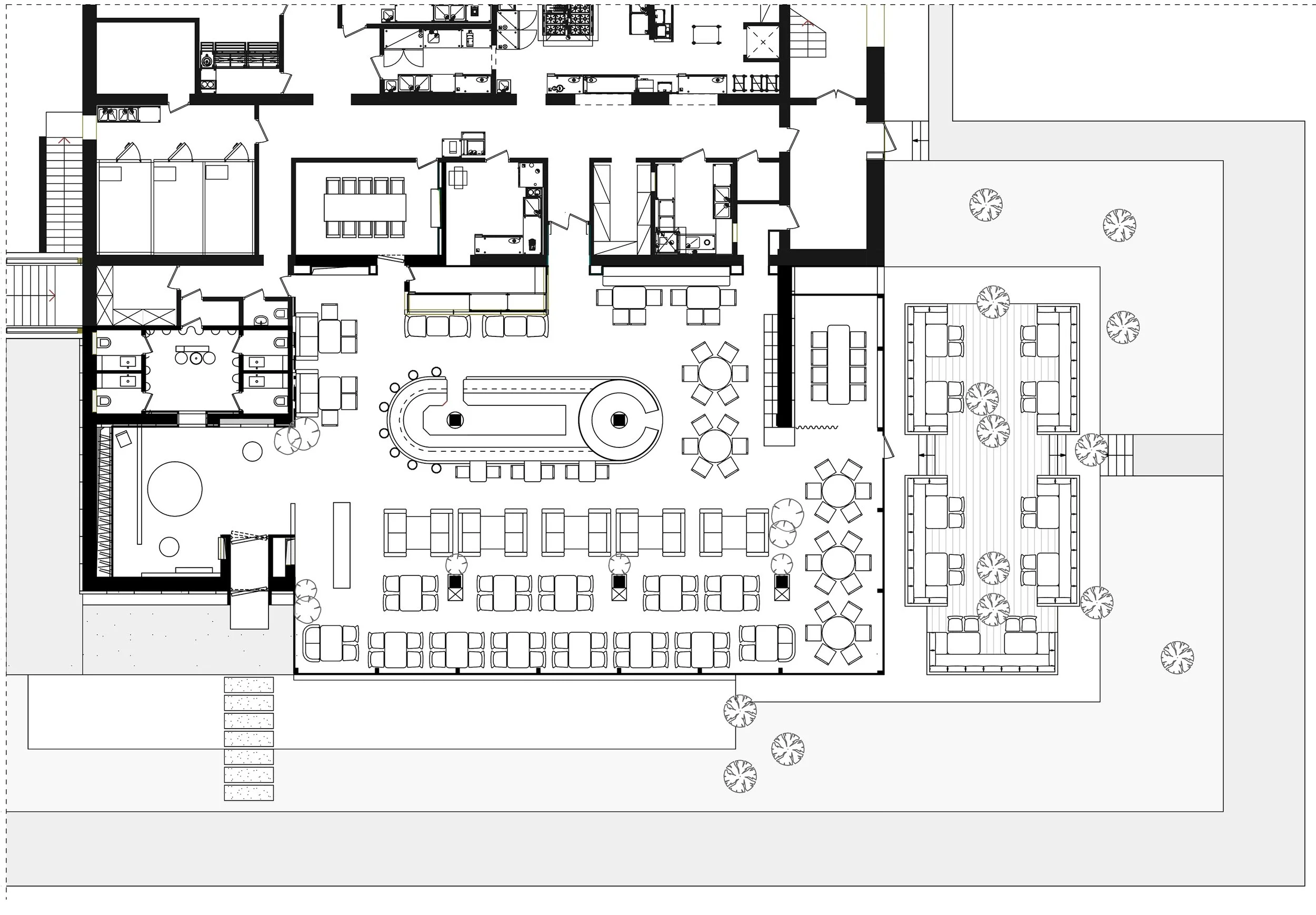
Once the visual direction is approved, we move into precise, buildable decisions. We produce partition, floor, and ceiling plans, wall elevations, construction details, dimensions, and furniture and equipment placements.
Separately, we detail the lighting plan, along with the placement of switches, outlets, electrical points, and equipment connections. For custom-made pieces, we define the dimensions, construction, materials, and other specs that manufacturers and contractors need.
6. Final material selection and specifications
At this stage, we lock in the specific materials, furniture, light fixtures, plumbing fixtures, and equipment called for in the project. For commercial spaces, we factor in how each zone will actually be used – how well finishes hold up to wear, moisture, staining, and regular cleaning, as well as how easy they are to maintain and replace in individual sections if needed. Every selected item is organized into specifications, which are then used for procurement and ordering.
7. Project handoff and construction support
The completed set of documentation is handed off for construction. On request, we provide design oversight through construction – answering contractor questions, confirming the build matches the approved decisions, and signing off on any adjustments needed on-site.

Design Projects for Different Types of Spaces
The same approach doesn't work for a restaurant, a hotel, an office, and a private home. Every type of space has its own usage patterns, level of traffic, circulation requirements, and material demands. That's why the scope and level of detail in a design project depend on how the space will actually function once it opens.
Restaurants and cafés
In restaurant projects, we account for the guest experience and the operational logic of the venue at the same time. We work through the seating plan, the relationship between the dining room, kitchen, and bar, staff circulation, lighting, and furniture placement. Materials are chosen for heavy, regular use, frequent cleaning, and easy local replacement. The result is an interior that supports the restaurant's concept without getting in the way of day-to-day operations.
Hotels
A hotel is made up of a large number of spaces with different functions – guest rooms, corridors, the lobby, the restaurant, the spa, meeting spaces, and back-of-house areas. Here, it's not enough to work out each type of space in detail; you also need a system of decisions that scales consistently across the whole property. One furniture detail in a guest room, for example, might be repeated dozens of times, so even a small error in a standard solution can significantly increase the cost of correcting it.
Offices
In office projects, the design accounts for headcount, meeting rooms, shared and private zones, acoustics, lighting, and the ability to adapt the space if the team's size or way of working changes. The layout needs to support day-to-day workflows, allow people to move easily between zones, and match how the company actually works.

Retail, showrooms, and salons
Commercial design projects for stores, showrooms, and salons have to account for more than the visual concept – they need to reflect how a visitor actually interacts with the space. For retail, that means customer flow, product placement and visibility, and fitting or consultation areas; for showrooms, it's the logic of how the product is presented; for salons, it's privacy, storage, and technical equipment. In every case, the layout and interior are adapted to the specific business model.
Public spaces
In public spaces, the priorities shift to capacity, wayfinding, accessibility, the flow of people, and materials that can handle heavy use. We pay particular attention to points where flows of people cross, entrances and exits, waiting areas, and spaces that may be used differently throughout the day.
Design Project Portfolio
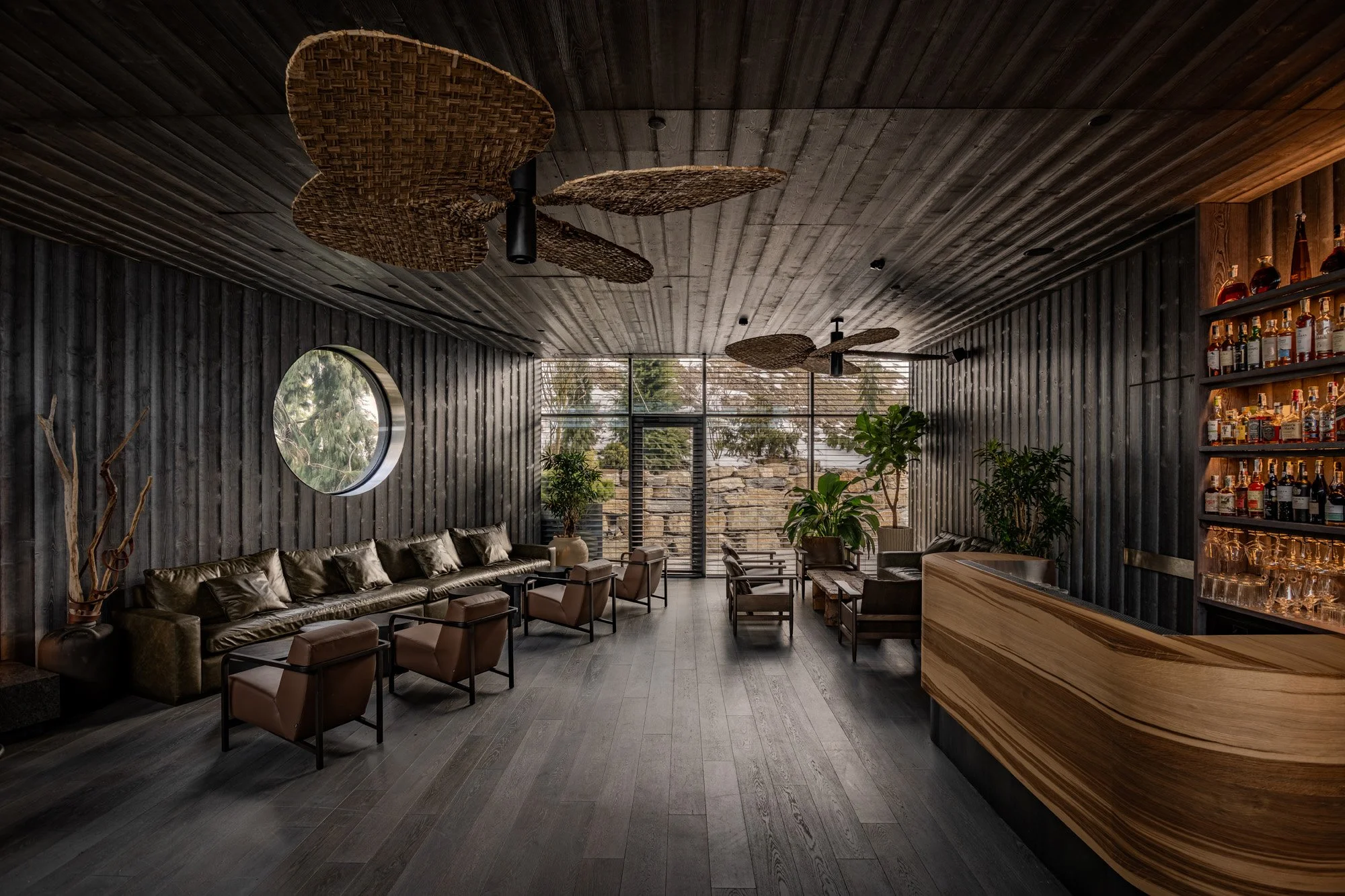
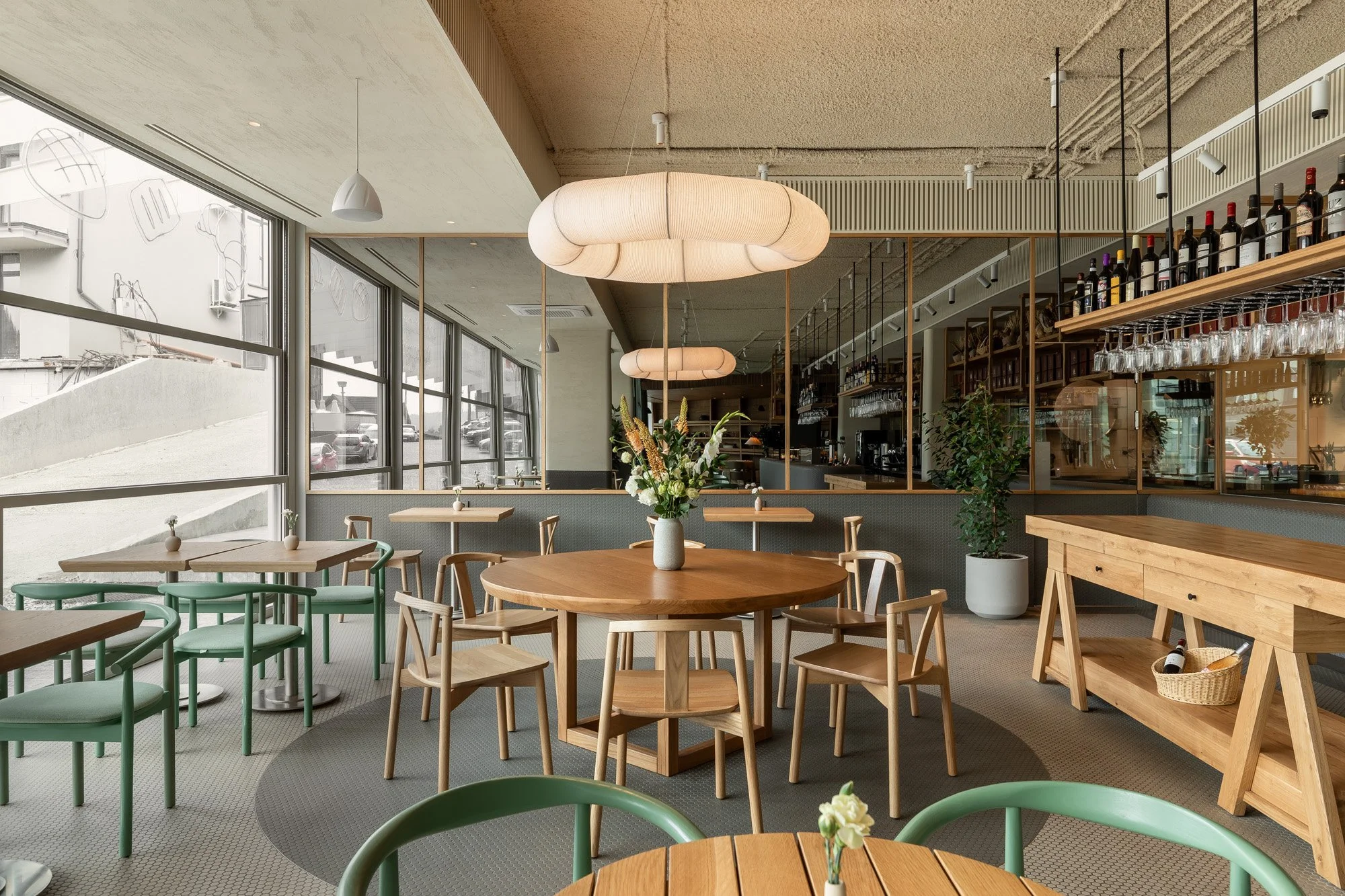
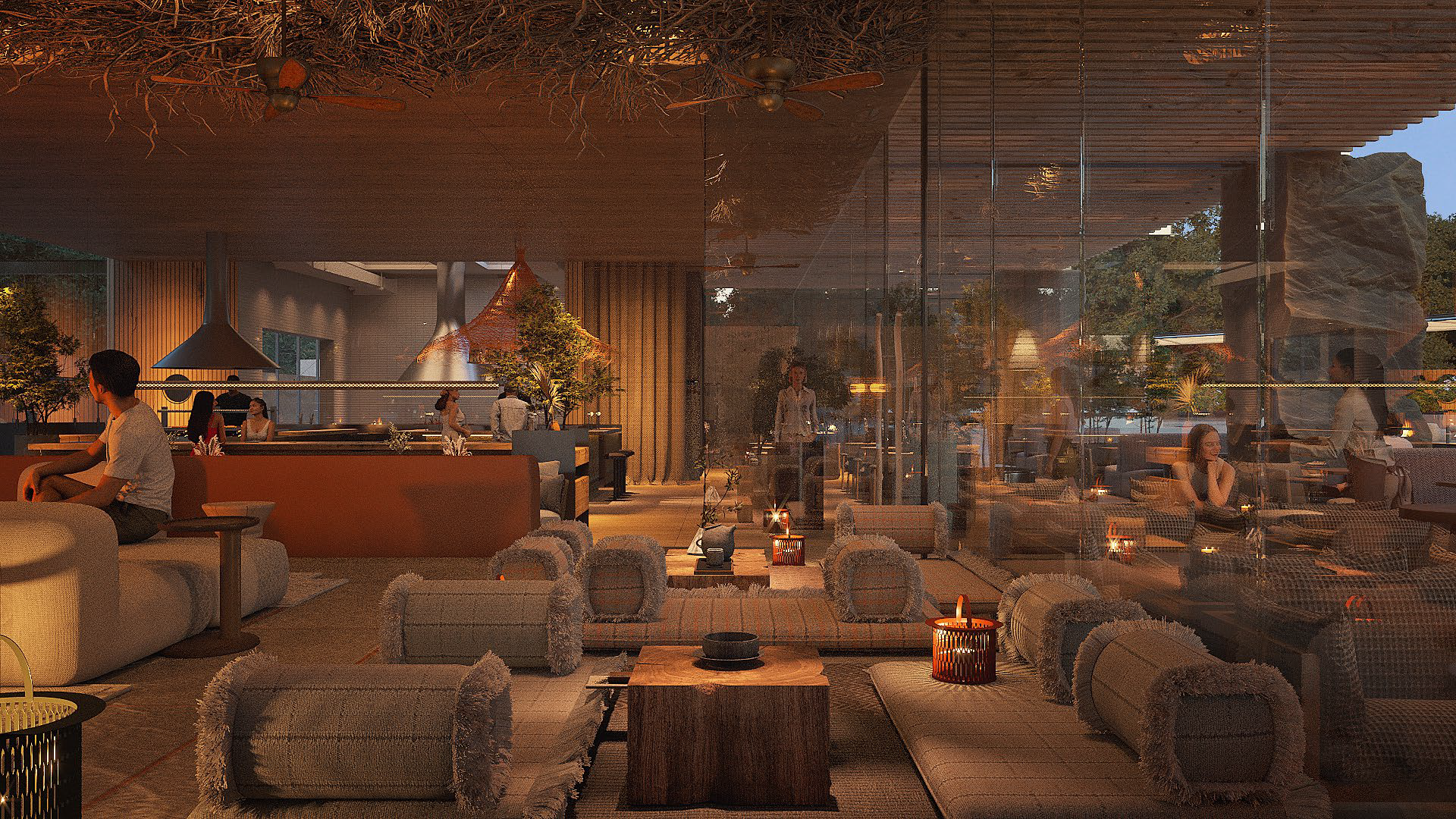
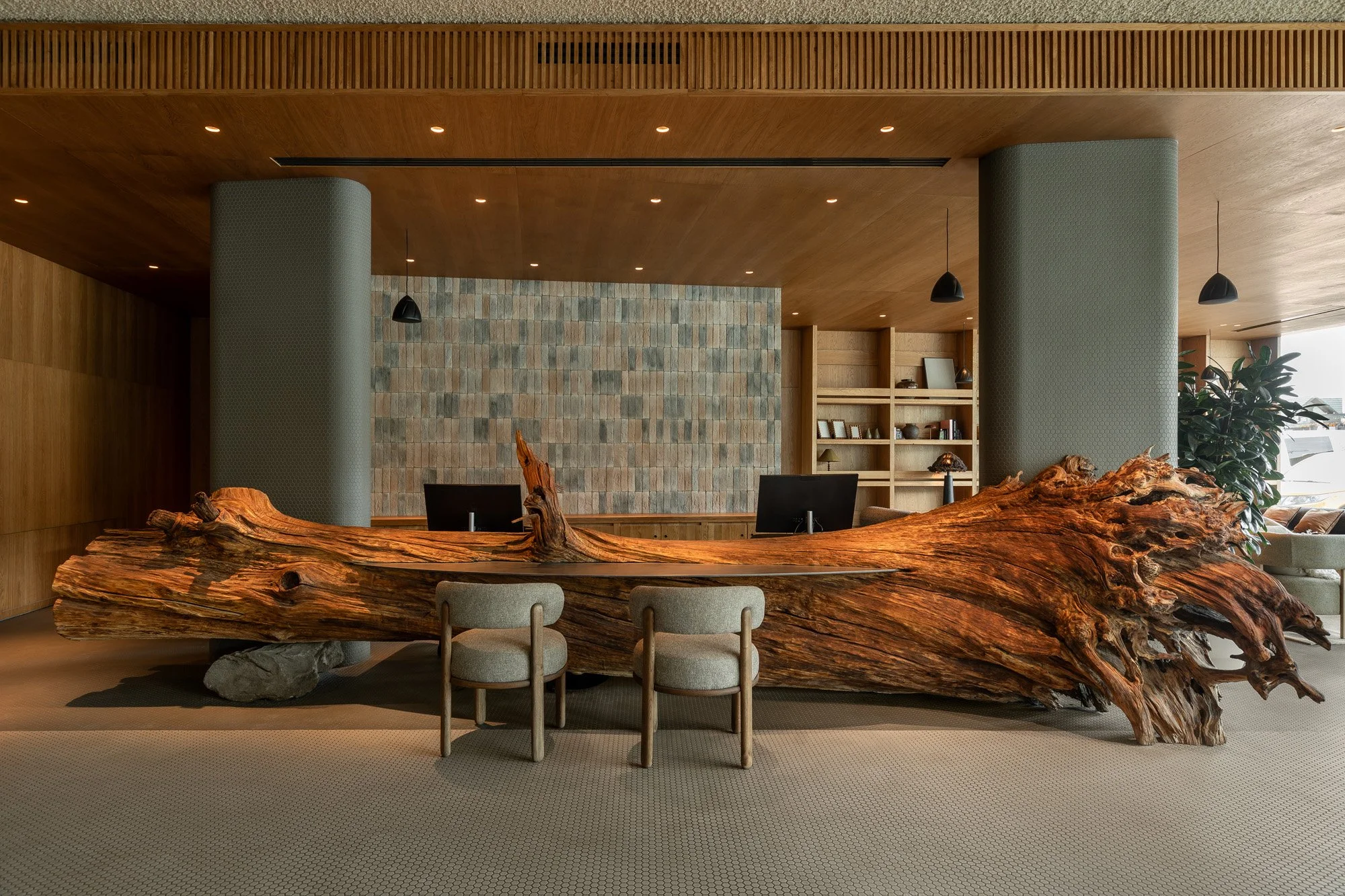
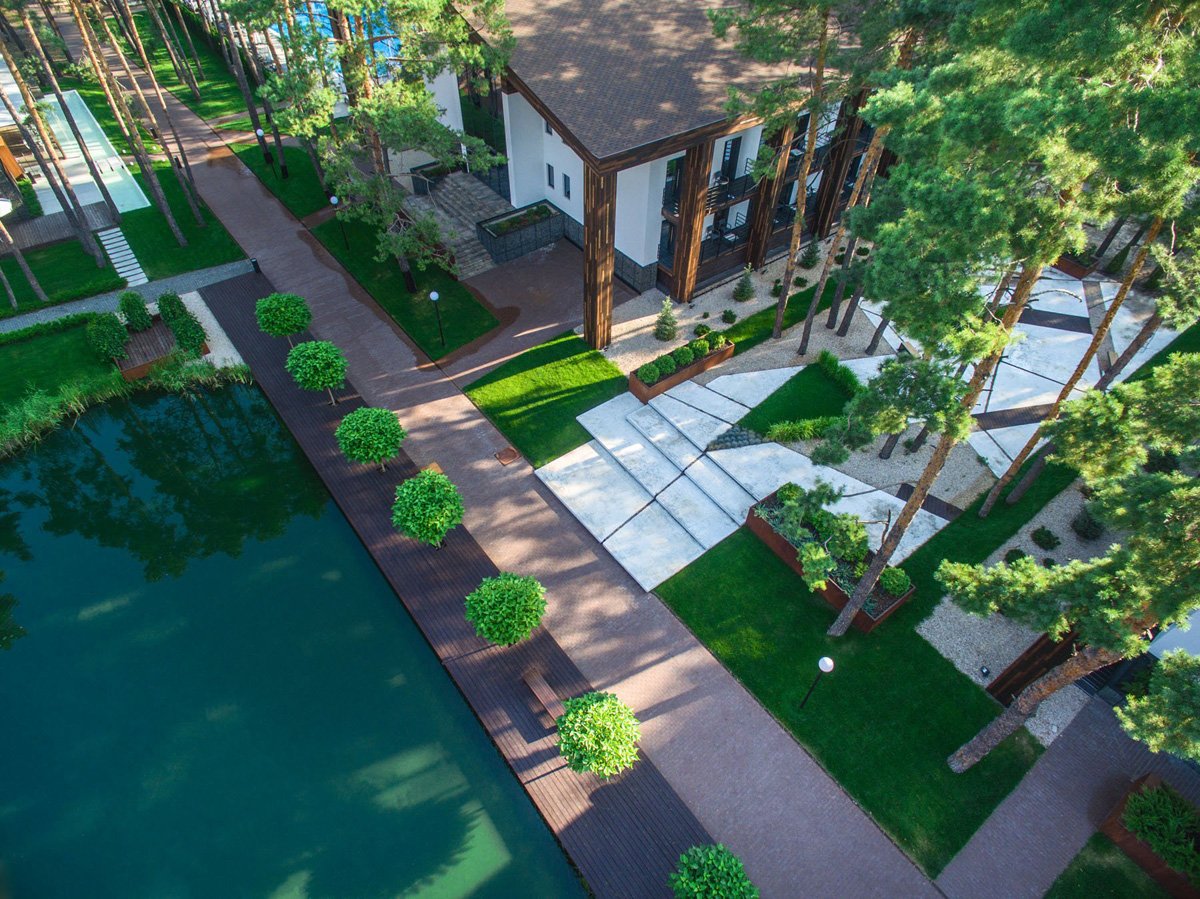
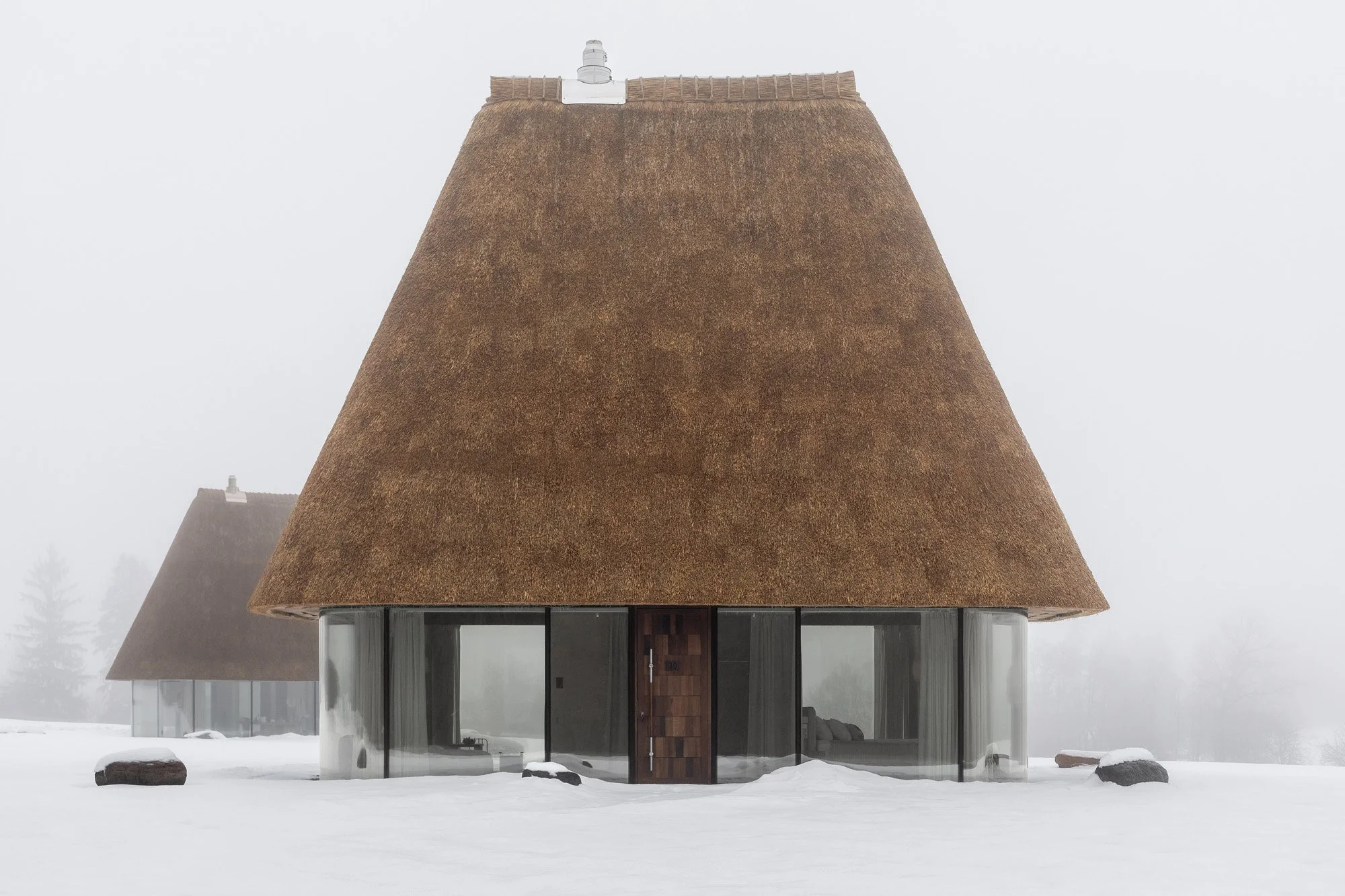
A completed project tells you more about a design than any single rendering can. YOD Group's portfolio includes completed Food & Beverage, hospitality, wellness, and public-space projects in Ukraine and abroad. Each case shows how concept, layout, materials, and detail come together into a finished space.
Cost of Developing a Design Project
The cost depends on the scale of the space, the complexity of the brief, and the required scope of design work. The cost of an interior design project is also affected by the starting condition of the space and the specifics of the building itself. Working with an existing or historic building, for example, can require extra time to account for structural, engineering, or other constraints. We determine the exact cost after reviewing the site, the brief, and the required scope of work.

Why Choose YOD Group
We've been working on commercial and hospitality spaces since 2004, which is why we never treat a design project as separate from how the space will actually operate – we treat it as the foundation for construction and for the day-to-day running of the venue. Experience with projects in Ukraine and abroad helps us account for different requirements around layout, materials, building systems, and contractor coordination as early as the documentation stage.
For the client, that means fewer decisions left to make on-site during construction. We work through complex details, select materials with their actual use in mind, coordinate furniture, lighting, and technical decisions with one another, and produce documentation that different contractors can all work from. The result is a build that's easier to manage, with less risk of the finished interior drifting from the approved concept.
Start a Design Project with YOD Group
A well-executed design project lets you move from concept to construction without losing the original logic and details or control over the process. To order an interior design project with YOD Group, submit a request and briefly describe your future space. We'll reach out to discuss the brief, the format of the work, and next steps.
FAQ
-
What's included depends on the type of space and the specific brief. A full project can include layout decisions, 3D visualizations, working drawings, elevations, construction details, decisions on lighting, materials, and furniture, and specifications.
-
Timing depends on the size and type of space, the complexity of the layout and technical decisions, the number of custom elements, and the number of approval rounds. Once we've reviewed the starting data, we define the scope of work, the sequence of stages, and a realistic timeline for the design project.
-
Yes. If a concept is already in place, we first review the existing materials, check whether they're sufficient to build on, and identify which decisions still need to be detailed. From there, we can move into layout, 3D visualizations, material and equipment selection, working drawings, construction details, and specifications. That lets us continue working with an already-established idea instead of developing the concept from scratch.
-
A design project covers the visual, functional, and technical decisions for an interior. A technical interior design project usually refers to the working portion of the project – the drawings, construction details, dimensions, locations, and other information contractors need for implementation.
-
Yes. In a full design project, selecting materials, furniture, and lighting is part of the comprehensive interior design process. The specific list of materials, furniture, equipment, and lighting depends on the agreed scope of work and the particulars of the space.