
BRAND IDENTITY
A venue begins interacting with a guest long before the first visit: through its signage, a photo in a feed, the booking page, packaging and delivery. At YOD Group, we shape this image in parallel with designing the space itself, so that the brand reads the same way at every point of contact. Our experience with dozens of completed restaurants, hotels and SPAs in Ukraine and abroad shows just how strongly this image influences a venue's recognizability.
What brand identity is
Identity is the system by which a company is recognized: the logo, colors, fonts, graphics, tone of communication and the way the brand is present at every point of contact with its audience. A consistent image across all media makes a brand familiar, and a familiar brand earns trust faster — even before the guest tries a dish from the menu or stays in a room.
The concepts of identity and corporate style are closely related, but not entirely identical. Corporate style usually refers to the system of a brand's visual elements: the logo, color palette, typography, graphics and the rules for using them across different media. Identity can encompass a broader set of tools through which a brand builds a recognizable image and character, including the visual system, communication principles and the design of contact points with the audience.

Types of identity can be loosely distinguished by exactly how a brand manifests itself in interaction with its audience: through verbal, visual and object-environmental elements. The verbal component covers the name, descriptor, slogan and communication principles. The visual component covers the logo, palette, typography and graphic language. The object-environmental component appears in signage, wayfinding, uniforms, tableware, packaging and other physical carriers of the brand.
The scope of identity elements depends not only on the scale of the business, but also on how many tasks the brand needs to solve. For a single restaurant it may be a compact system with a logo, menu, signage, packaging and digital assets. For a chain it is important to anticipate from the outset the rules by which the style will keep its integrity across different locations and formats. And for a development or hotel project, identity often begins working before the opening — in presentations, advertising, wayfinding on the construction site and communication with the future audience.
Visual identity takes over communication where there is no opportunity to explain in words: in a storefront, on packaging, in an advertising banner. A clear visual system helps convey the brand's character consistently and make it recognizable across different communication channels.

Developing a brand identity
The work begins with analytics and data gathering: we define the audience, research the market context, the brand's positioning and the environment in which it will operate. If a company has existed for a long time, it makes sense to conduct an analysis of the existing identity — identifying the elements worth keeping and the decisions that need to be reconsidered.
Next, the identity is shaped at the level of the idea: we determine what story the brand tells, how it communicates and what associations it should evoke. This stage sets the direction for further work, so we align it with the client before starting to develop visual solutions.

The next step is developing the visual identity: the logo, color palette, typography, graphic elements, and the design of the brand's carriers — from menus and signage to uniforms and digital channels.
We assemble all elements into a single system and record the rules for their use in a guideline. Thanks to this, a new banner, menu, social media page or other carrier can be designed in the same style without losing the brand's recognizability.
The team working on the identity treats it as an integrated system in which the logo, graphics and various carriers must support a shared brand image. A typical mistake is to focus only on the logo and underestimate the other contact points: the menu, wayfinding, packaging, uniforms or digital channels, which also shape how the brand is perceived.

Identity creation services
Developing a company's identity is relevant when launching a new brand, entering a different segment, or scaling a business, when its visual communication needs to be created or systematized.
A separate area is project identity, when the image is created in parallel with construction or renovation. This format makes it possible to synchronize the architectural concept, interior and visual style before the opening.
When a venue changes its format, menu concept or audience, we carry out an identity rebrand. During a rebrand, the team determines which recognizable elements are worth keeping and which need to be rethought or replaced in line with the new positioning.
As an identity design studio, we take into account the business's goals, its positioning, target audience and prospects for further development. Two restaurants or two hotels may operate in the same category but have different positioning, audience and brand character, so their identity will solve different tasks as well.

RECENT PROJECTS
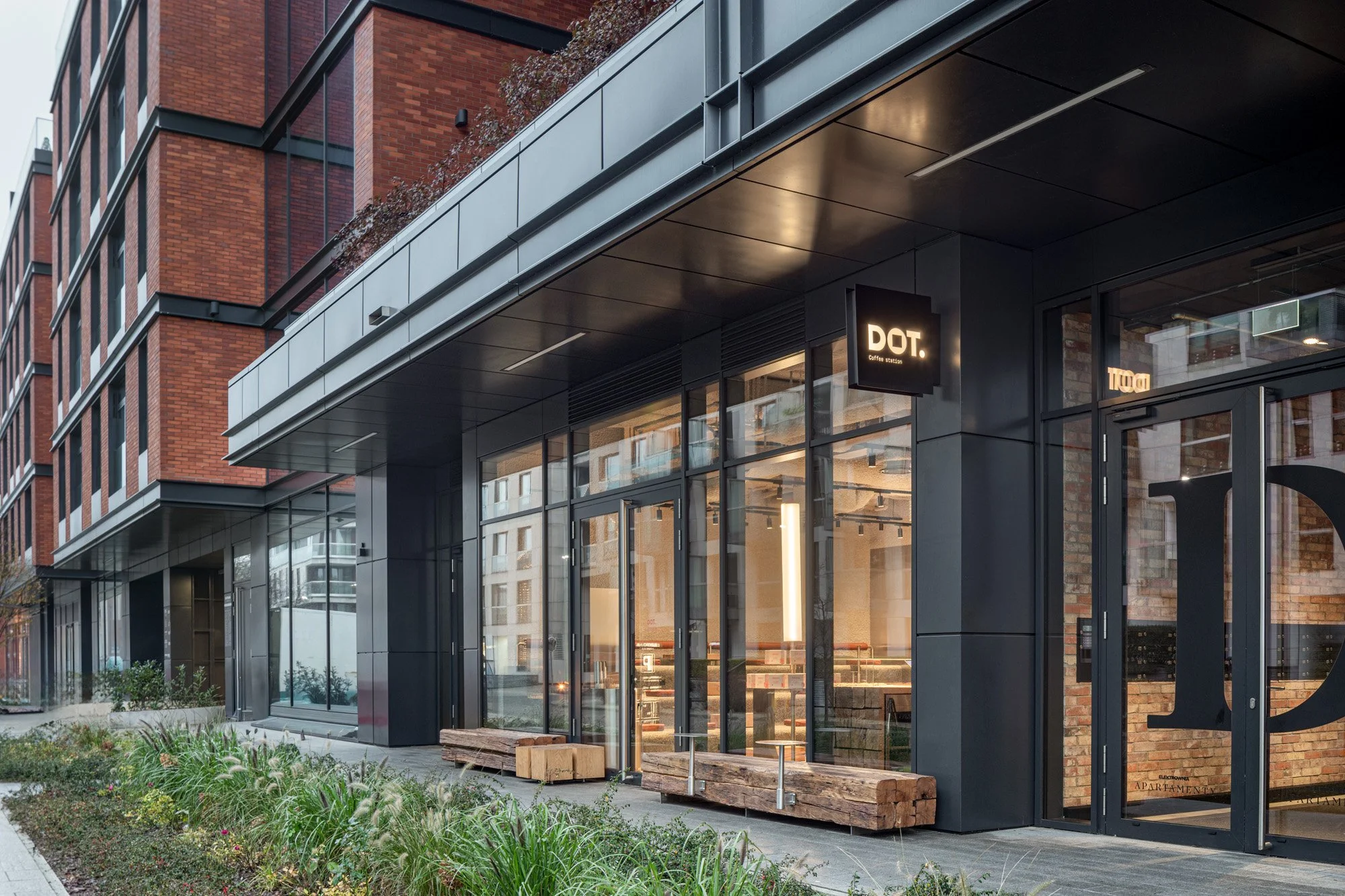
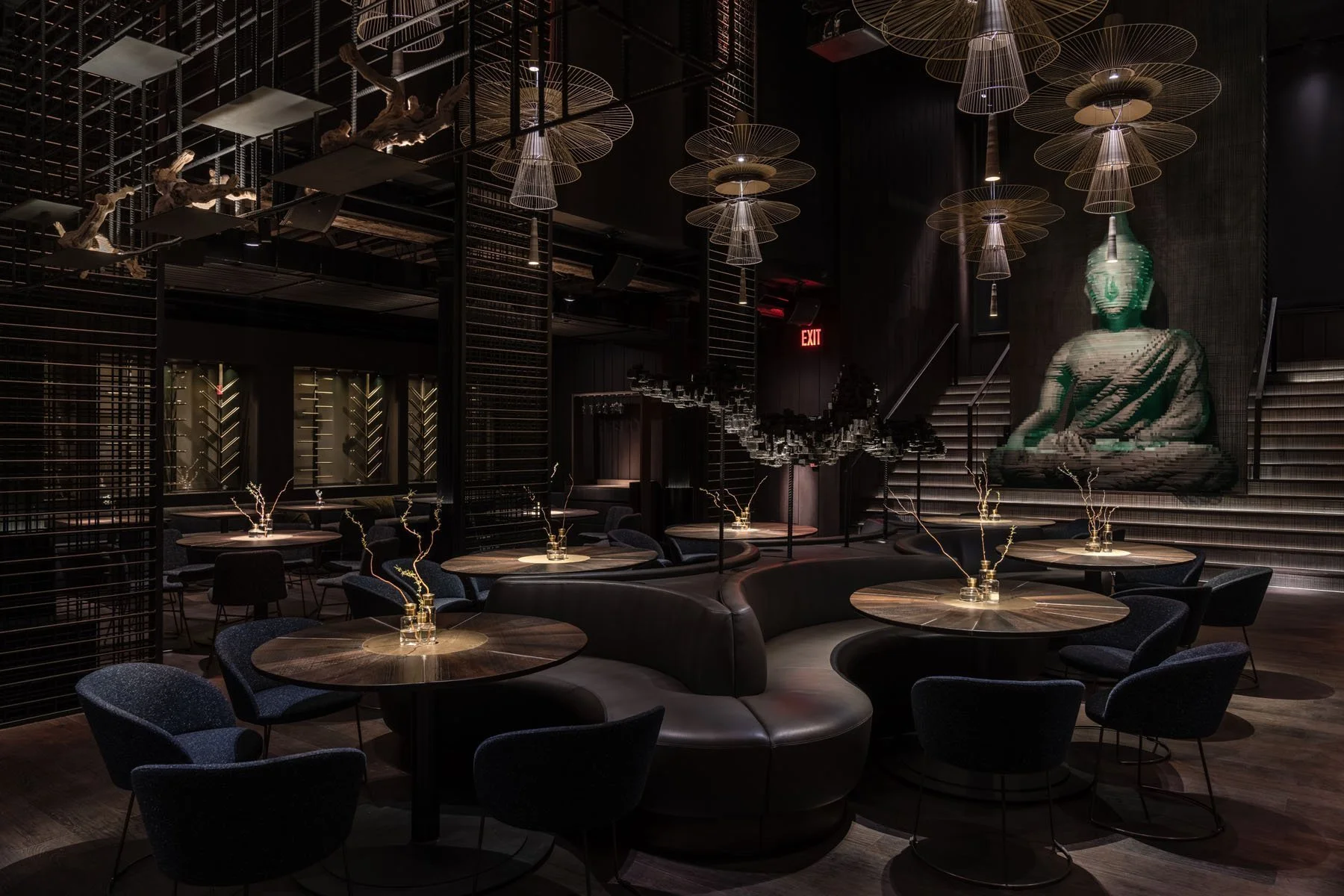
At YOD Group, we develop brand identities for restaurants, hotels, spa complexes and offices, where form follows meaning and the brand grows out of the character of the venue — its story, its audience and its points of contact. This way, every element, from the logo to the packaging, follows a single logic and forms a cohesive, recognizable image of the brand.


Cost of developing an identity
The price depends on the complexity of the task and the scale of the system. A project for a single venue and an identity for a chain with several formats require different depths of work, numbers of solutions and amounts of the team's time.
How much an identity costs in a specific case is something we determine after the brief. Based on it, the team assesses the scope of the upcoming work and forms an individual proposal that takes into account the tasks of the specific brand.

FAQ
-
A brand identity includes the elements through which it builds a cohesive and recognizable image: the name, logo, color palette, typography, graphics, signage and wayfinding, packaging, print materials, uniforms, digital materials and other carriers. The rules for their use are recorded in a guideline so that the brand looks consistent across different points of contact with the audience.
-
Branding is the broader process of building a brand, which encompasses its strategy, positioning, communication and ways of presenting itself to the audience. Identity is one of its components and helps express the brand's character through a coherent system of visual and other elements. We handle both areas within a single project, so that visual solutions rest on business objectives.
-
Most often the request arises at the start of a new project, when changing the concept or owner, and also when scaling a chain, when all locations need a unified image. The earlier the style is included in the project, the fewer costs for reworking already-printed materials and manufactured signage may arise later.
-
Timelines depend on the scope of the system and the number of carriers. A compact set for a single venue is usually developed faster than an identity system for a chain with several brands or formats. We fix the exact timelines after the brief, along with the list of work stages included in the project.