
ARCHITECTURAL CONCEPT
SPACE WITH COMFORTABLE INTERACTION
Back in 1896, the American architect Louis Sullivan formulated the principle "form ever follows function." To this day it remains one of the reference points of the functional approach to architecture. For an owner it is a practical tool, because the concept influences a venue's functionality, its positioning, the efficiency of space use and the economic potential of the future project.
What an architectural concept is
An architectural concept is a preliminary decision that defines the idea, style and logic of a future object before working design begins. It embeds the form of the building, its relationship with its surroundings, functional zoning and the overall character of the space.
In practice, it is the concept that answers the question of what the venue will be — a restaurant, hotel, spa complex or office — and how it will work for guests and staff.
Over the years of work we have become convinced that without a clear concept for the architectural project, the team risks losing the integrity of the idea at the detailing stage. When the idea is formulated at the start, every subsequent decision — from the facade to the interior — is subordinated to a single logic rather than being added in separate fragments.
Mistakes not caught at the concept stage and carried over into working documentation can lead to expensive changes during construction. That is precisely why it is worth developing an architectural concept before design work starts.

Developing an architectural concept
Strategy always precedes form. That is why developing the concept begins with analysis: we study the site, the environment, the landscape, functional tasks and the project's business goals. Within a comprehensive approach, the research may also cover the market and the competitive environment. This stage helps determine whom the object is being created for, how it should be used and what tasks it must solve. The result of the analysis becomes the foundation on which the further development of the architectural project concept takes place.
At the search stage, architects may work through several different options, comparing them by functionality, fit with the context and potential for implementation, in order to select the most fitting conceptual architectural solution rather than the first one that seems obvious. From an architect's point of view, a typical mistake at this stage is to take a ready-made device from another project without checking whether it suits this particular site and the venue's function.

In our practice, we strive to build the architectural concept on the character of the specific place, taking into account the landscape, function, cultural context and scenarios for using the space. That is why, when researching the environment, we consider not only the landscape and surrounding development, but also how the space will be used every day — guest flows, staff logistics, seasonality.
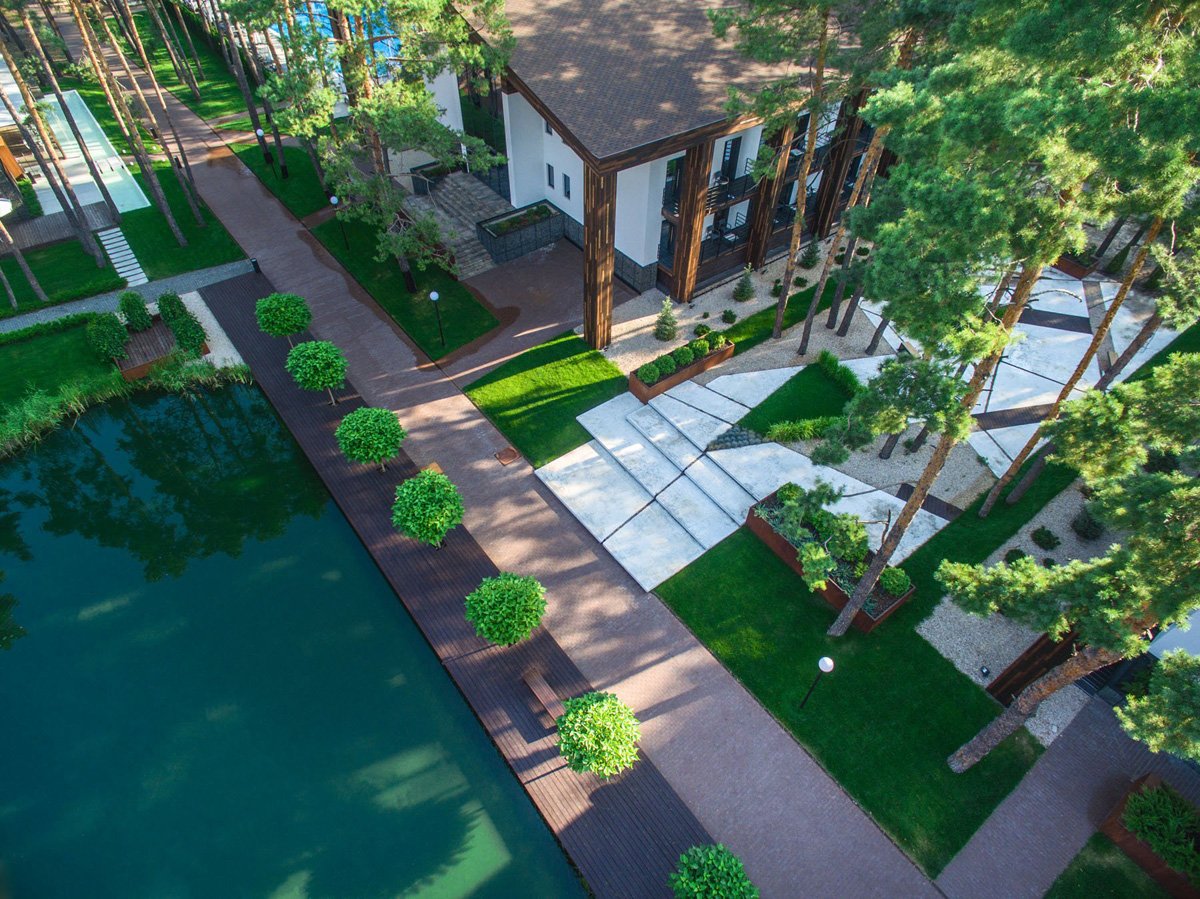
When it comes to a hotel complex or a cottage village, developing the architectural concept for the territory also covers the master plan, pedestrian routes and the positioning of buildings relative to one another. Such tasks require more time for research, since a mistake in the master plan is harder to correct at later stages than a change to a facade solution.
Despite this, we draw on contemporary architectural concepts and design technologies, but we always adapt them to the client's task and the local context rather than transferring a trend unchanged.
What an architectural concept includes
The concept covers the general idea of the project, the planning and volumetric-spatial solution, the master plan, plans of the main buildings, facades and sections. At this stage a preliminary architectural sketch concept is formed, which makes it possible to fix the key spatial and visual decisions before moving on to detailed design. Depending on the task, the package of materials may be supplemented with visual presentation and the elaboration of materials. For a restaurant or bar it may be an idea built around a specific material or scenario of using the space, while for a hotel or spa it may be the logic of a guest's movement through different zones.
A well-developed conceptual architectural design becomes the basis for the subsequent stages: preparing working documentation, developing engineering sections and construction. Careful elaboration of the concept helps agree on key decisions in advance and reduce the risk of significant changes at later stages of implementation.

RECENT PROJECTS
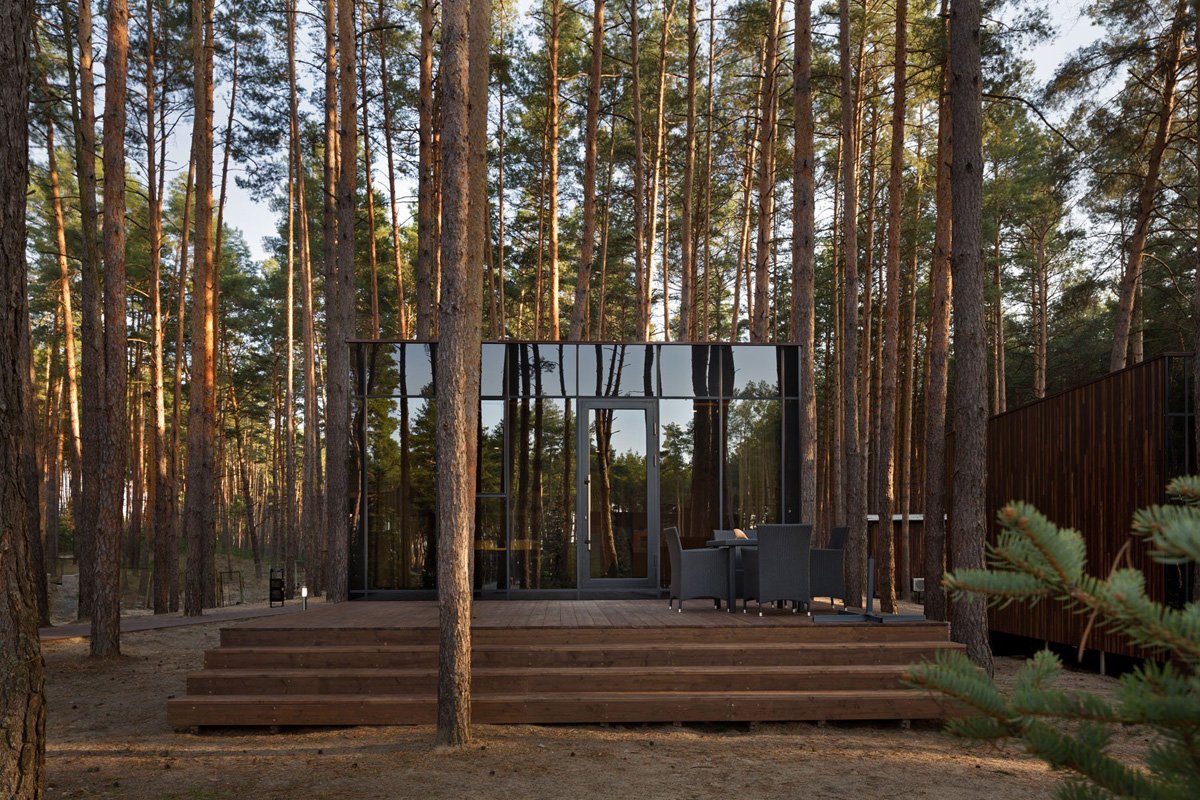
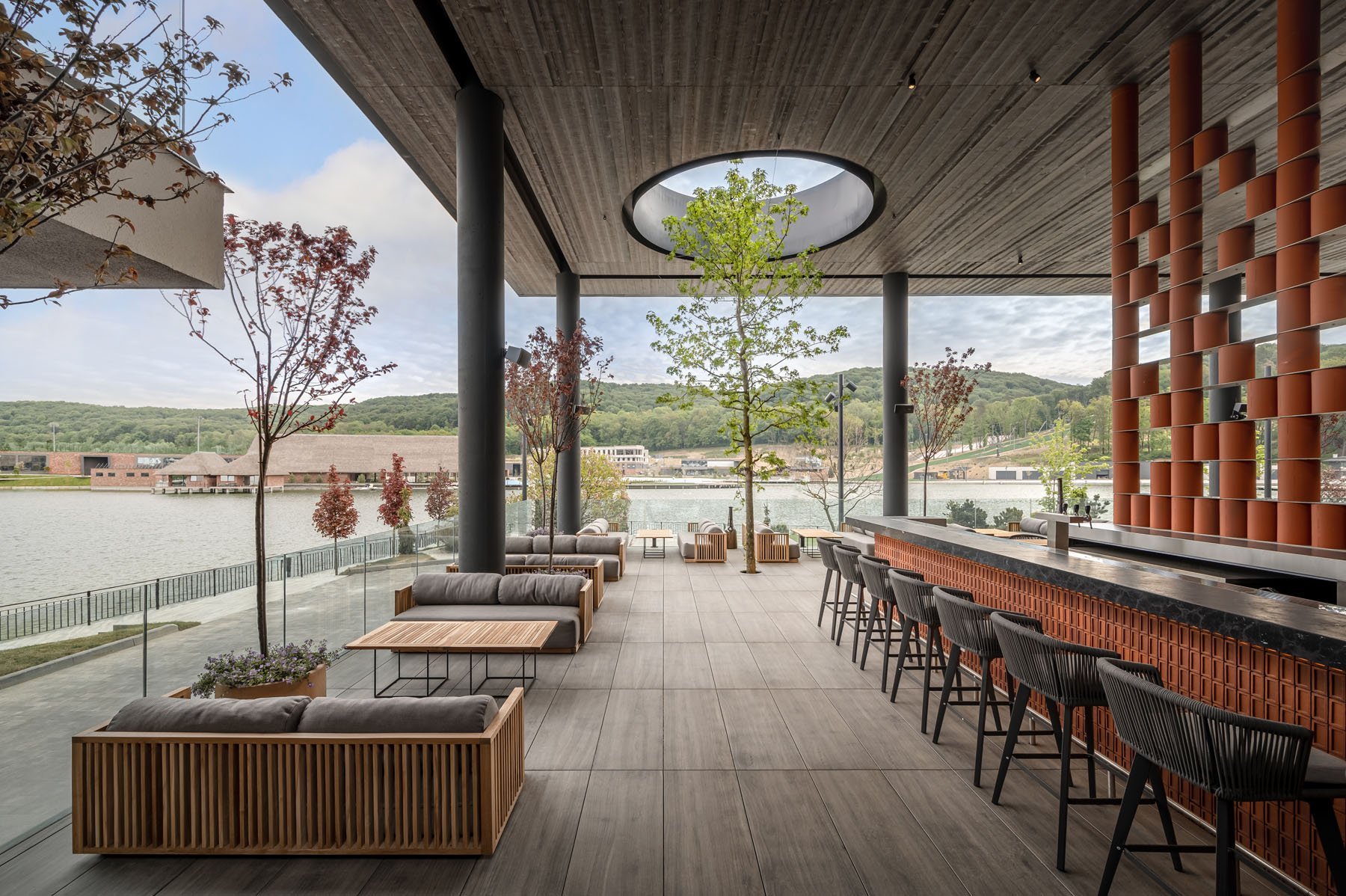
At YOD Group, we develop architectural concepts for restaurants, hotels, spa complexes and offices, where form follows function and the building grows out of the character of its place — the landscape, the surroundings and the scenarios for its use. This way, every decision, from the masterplan to the façade, follows a single logic and forms a cohesive, recognizable image of the space.


Cost of developing an architectural concept
The price depends on several factors, so it is impossible to name a single figure without project details. The cost depends on the area and complexity of the object, the volume of required work and the range of services provided for by the task.
The price is also affected by the volume of documentation: if detailed visualizations, a model or additional site studies are needed, creating the object's architectural concept requires more time and, accordingly, costs more. In practice, a large hotel complex or cottage village requires substantially more team hours than a single restaurant or office. We prepare an exact calculation individually, after getting acquainted with the task, the location and the client's wishes.

FAQ
-
It includes the general idea of the object, the stylistic solution, the volumetric-spatial composition, facade sketches, the selection of materials and visualizations. For hotel and recreational complexes, cottage villages and other objects with their own territory, the positioning of buildings, infrastructure, access roads and pedestrian connections are additionally worked out. We agree on the scope of the specific package of documents with the client separately, depending on the scale of the object.
-
It is needed in order to fix the idea and logic of the object before the team moves on to detailed design. Without this step, decisions about facades, planning or materials are made in a fragmented way, and as a result the project loses its integrity — each section seems to live its own life. The concept sets unified rules: the style, the character of the space, the relationship with the surroundings, and it is precisely this that all subsequent stages rely on — from sketches to working documentation. It also saves time: having agreed on the main idea at the start, the client and the team less often return to revising already-adopted decisions at later stages.
-
The work begins with collecting initial data, analyzing the site, the surroundings and the client's tasks. Next the main idea is formed, and the planning and volumetric-spatial solutions, the stylistics and the object's interaction with the territory are worked out. The next stage is preparing sketches, facade solutions and visualizations, after which the concept is agreed with the client. After the architectural concept is created and agreed, provided the work continues, the team can move on to the detailed elaboration of architectural and engineering solutions and the preparation of working documentation.